Nowadays, 1967 quarters worth money, for example, SMS Cameo Finish issues easily value $100 and more. Check the unique SMS and defect varieties that increase your item to $6,000.
Why Most 1967 Quarters Sell for Only Face Value
Most people spend these coins without a second thought. In almost every case, a merchant will accept the coin for exactly twenty-five cents.
The primary reason for this low value stems from production volume. There are over 1.5 billion quarters with the 1967 date. The items hold no melt value because these coins contain zero precious metal.
Item Characteristics
| Year | 1967 |
| Diameter | 24.26 mm |
| Weight | 5.67 g |
| Composition | Copper-nickel clad |
| Edge | Reeded |
What Separates Junk from Gems?
To find a 1967 quarter that exceeds its face value, you must know what details to examine. You must separate the damaged pieces from the rare versions. True value relies on three specific categories:
- Condition
- Finish
- Factory mistakes
A standard quarter shows a copper core between two layers of copper-nickel alloy. When this base metal format has deep mirror backgrounds or manufacturing errors, its status changes.
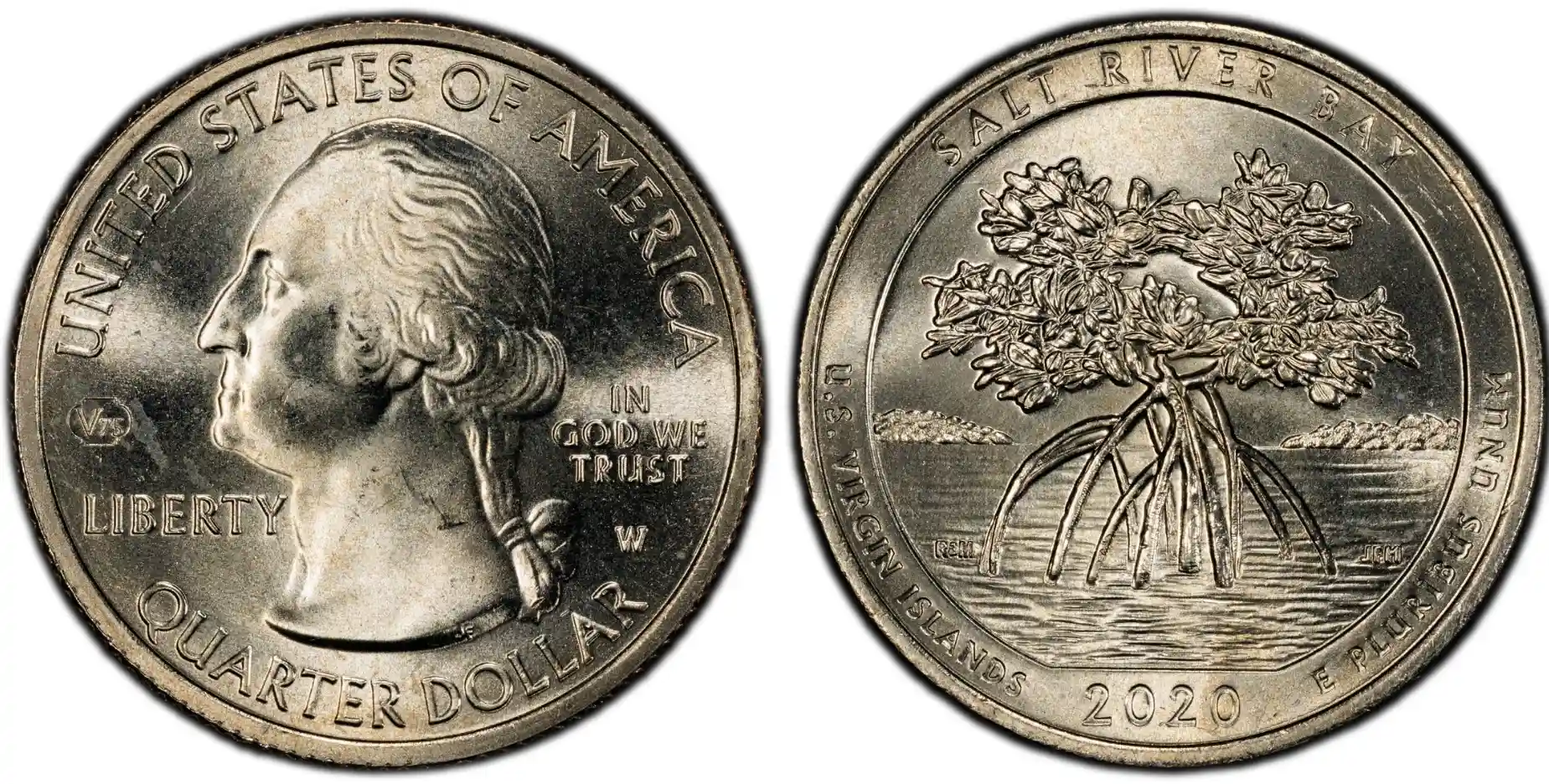
Numismatists look for specific physical attributes, such as full lines in Washington’s hair and flawless rims, to distinguish a high-value piece from ordinary items.
The Condition Rarity Factor: When Mint State Equals Big Money
Numismatists use a numerical system called the Sheldon Scale to rate the condition of a coin. A grade of 1 represents a coin that you can barely identify. A grade of 70 represents a flawless piece under magnification.
| Grade Range | Market Condition |
| 1–39 | Circulated |
| 40–59 | About Uncirculated |
| 60–70 | Mint State |
Coins that enter public commerce quickly drop below Mint State 60. To achieve real value, a 1967 quarter must remain in Mint State condition, which means it never entered public circulation.
Frosted Cameo and Deep Cameo SMS Varieties
The most valuable 1967 SMS quarters feature a phenomenon known as cameo contrast. When a technician first treats a coin die, the acid creates a matte, white texture on the recessed areas, while the flat surfaces remain smooth.
The first few coins struck by these new dies display a frosted white portrait of Washington against a dark background. Collectors call these Cameo or Deep Cameo varieties. Because the frost wore off after a few hundred strikes, these specific 1967 quarters are rare and command huge price bonuses.
Item Value Chart
| Type | Grade | Value |
| Standard Circulation Strike | From G-4 to MS-63 | $0.25–$3.00 |
| Standard Circulation Strike | From MS-65 to MS-68 | $15.00–$4,000+ |
| Special Mint Set/SMS | SP-65–SP-67 | $5.00–$30.00 |
| SMS Cameo Finish | SP-67 CAM | $100.00–$250.00 |
| SMS Deep Cameo Finish | SP-68 DCAM | $1,500–$4,500+ |
1967 Quarter Errors
The 1967 DDO and DDR
A doubled die error happens during the creation of the coin die itself. If the master hub shifts during the alignment process, it presses a duplicate image into the steel die.
Off-Center Strikes
Other valuable errors happen due to mechanical malfunctions during production. If a blank metal disc does not slide completely into the strike zone, the die hits it off-center. An off-center 1967 quarter that retains the date but misses a portion of the circle is a collector favorite.
Clipped Planchets
Clipped planchets happen when the metal sheets feed improperly into the blank-cutting machine, which creates a crescent bite on the edge of the coin.
Die Caps
Die caps occur when a struck quarter sticks to the upper hammer die and repeatedly smashes into subsequent blanks, which distorts the image into a shape that resembles a bottle cap.
Wrong Planchet Errors
The most valuable potential error for this date involves a composition mistake. In 1964, the Mint used 90% silver blanks. In 1965, the Mint switched to copper-clad blanks.
An old silver blank remained stuck inside a bin and was fed into a machine during the 1967 production run. If you find a 1967 quarter that lacks the brown copper stripe on the edge, weigh it.
- A clad quarter weighs 5.67 grams.
- A rare transitional silver error weighs 6.25 grams.
Reasons Why 1967 Was a Unique Year for the Mint
1. 1965 Silver Prohibition
The year 1967 was a massive transition year for the United States monetary system.
The public mistrusted the new copper-nickel coins because the government removed silver from dimes and quarters via the Coinage Act of 1965 to protect the national metal supply.
Citizens concealed old silver coins. This action compelled the Mint to produce billions of base-metal clad quarters to avert a complete breakdown of everyday trade.
2. The Enforced Ban on Mint Marks
To stop coin collectors from hoarding coins from specific geographic locations, Mint Director Eva Adams removed all mint marks from 1965 through 1967. The three mint facilities all struck quarters that looked completely identical.
3. The Anonymity Grading Nightmare
Because the three operational mint facilities combined their production under total anonymity, collectors cannot rely on mint-source scarcity to evaluate value. This absolute lack of origin marks forces numismatists to judge a 1967 coin strictly by its physical preservation. This dynamic turns the modern grading process into a strict evaluation of microscopic scratches, creating a condition-rarity market unique to this transitional era.
1967 Quarter Auction Prices
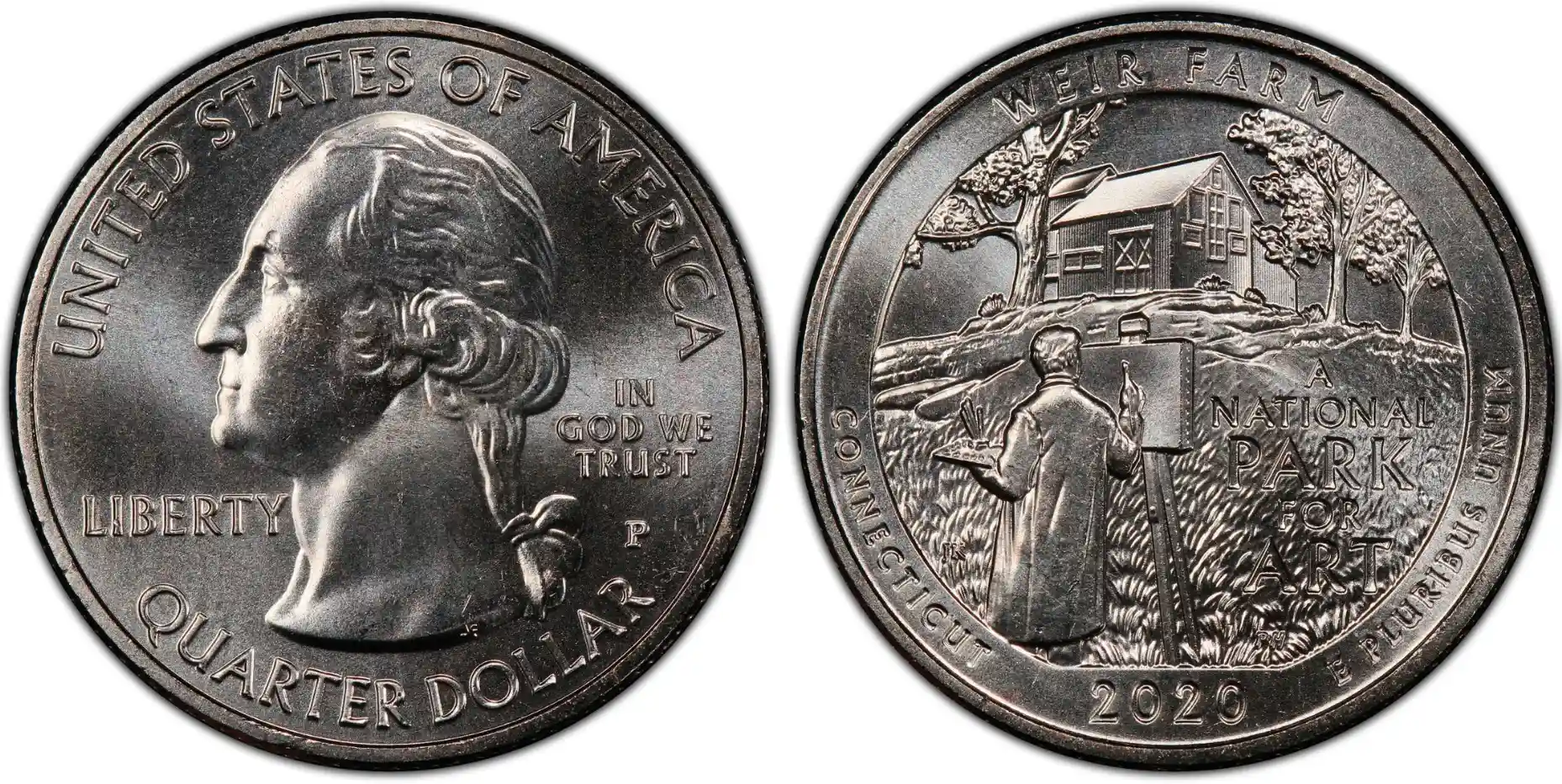
In past public sales, a flawless 1967 Washington quarter graded MS-68 by PCGS crossed the auction block for over $8,000. Another identical issue fetched a similar price because collectors needed the piece to complete a set. Below is the table with other records.
| Price | Item | Year |
| $8,813 | MS-68 | 2017 |
| $610 | SP-69 SMS | 2019 |